Resilience and innovation prioritised in Captain Cook Highway restoration
Flanked either side by World Heritage rainforest and a steep coastline overlooking the Great Barrier Reef, the Captain Cook Highway is considered one of Australia's most visually stunning drives.
Connecting Cairns and Port Douglas, the highway is an important driver for tourism in scenic Far North Queensland and the local economy.
It’s importance was underlined in the aftermath in late 2023 when ex-Tropical Cyclone Jasper caused extensive damage to the highway forcing its closure and isolating communities.
Intense monsoonal rains brough on by Jasper broke more than a century of floods records with some areas experiencing a deluge that exceeded a one-in-1000-year rainfall event.
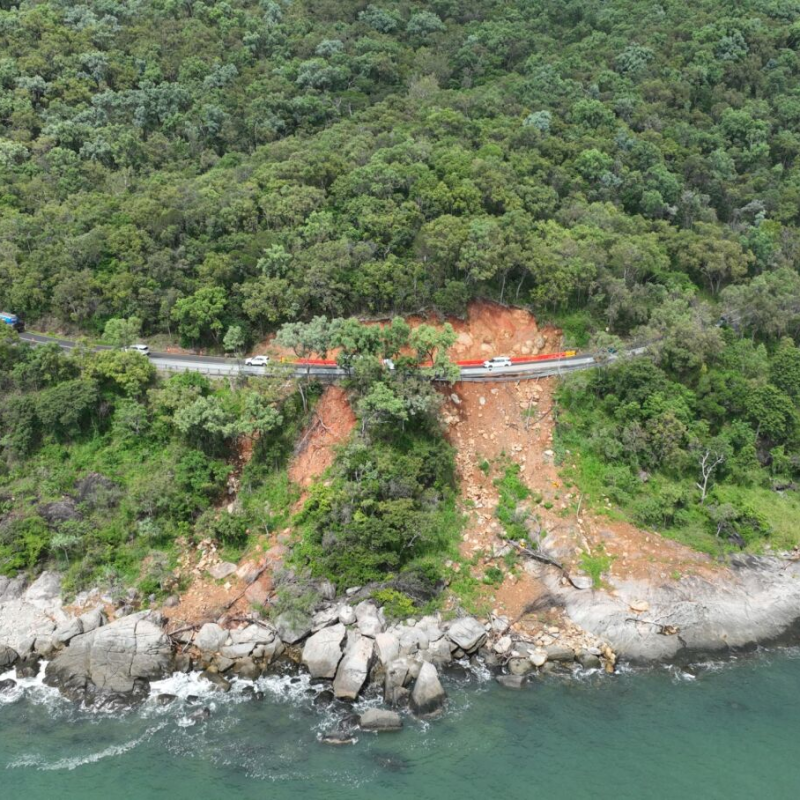
The downpour triggered massive slope failures across the region, including on the Macalister Range through which the Captain Cook Highway winds.
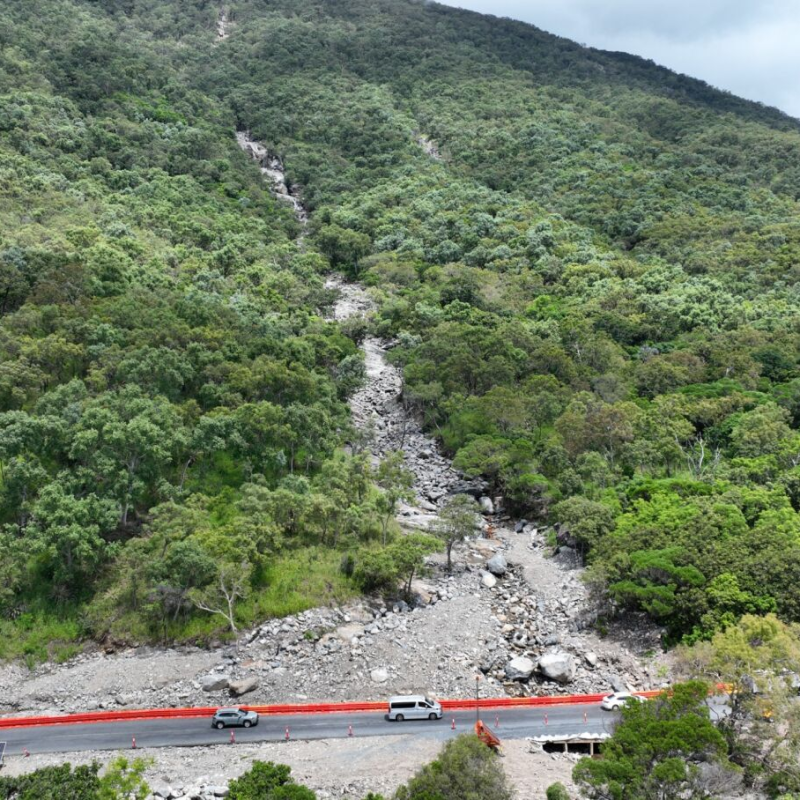
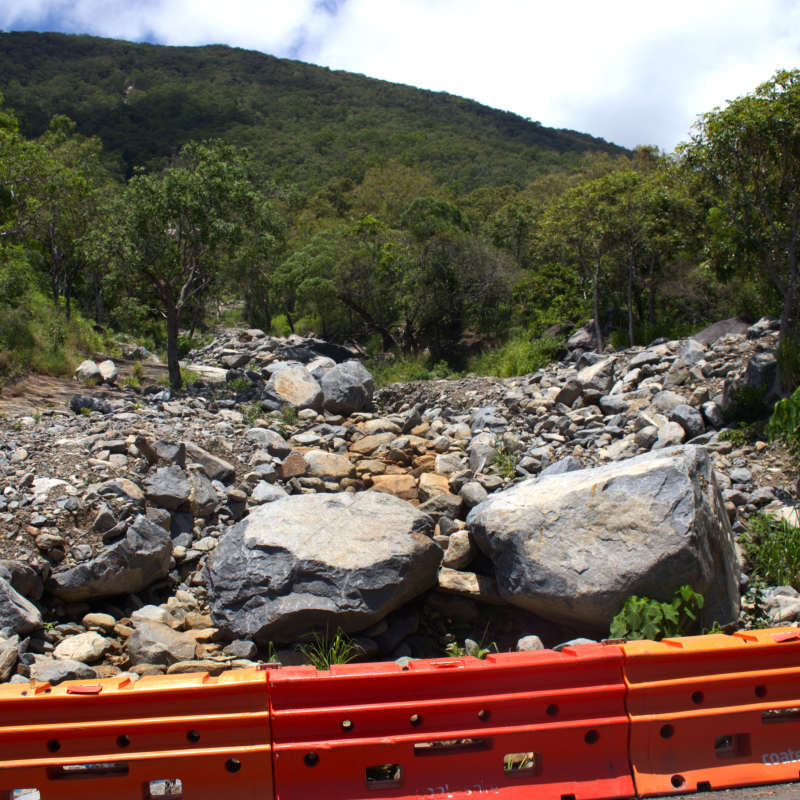
Cascading torrents of mud, boulders and vegetation poured down the mountain, carving new gullies and waterways and stretching debris across the highway.
Runoff speeds reached up to 20 cubic metres per second, enough to fill an Olympic-sized swimming pool in just three seconds.
Approximately 30,000 tonnes of mud and debris from more than 120 landslips buried the Captain Cook Highway which also suffered areas of coastal undermining and damage to 48 culverts.
Such catastrophic damage called for innovative solutions and that’s exactly the approach Queensland’s Department of Transport and Main Roads (TMR) took to restore the highway.
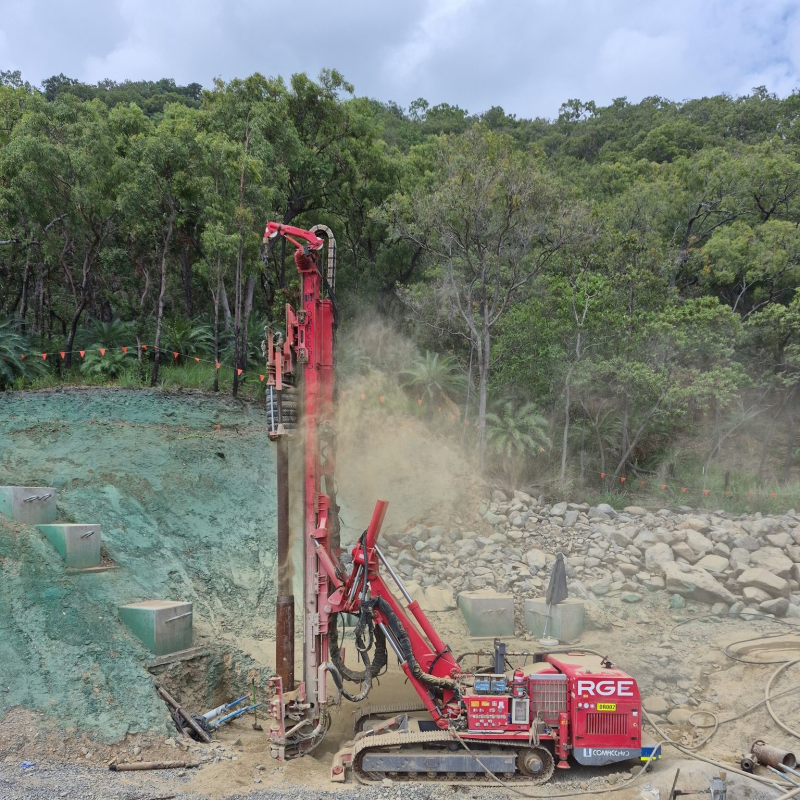
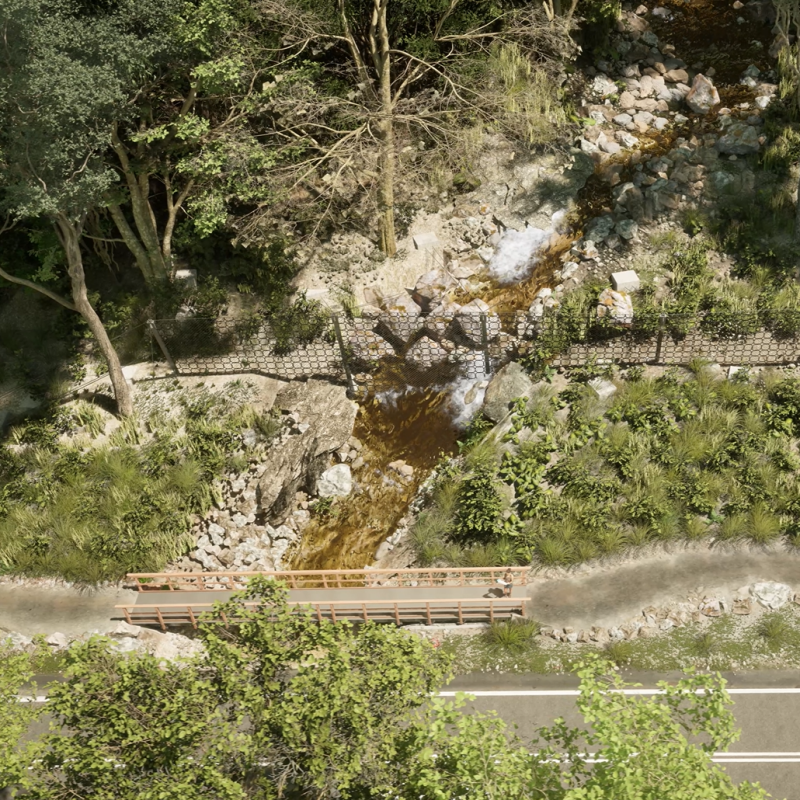
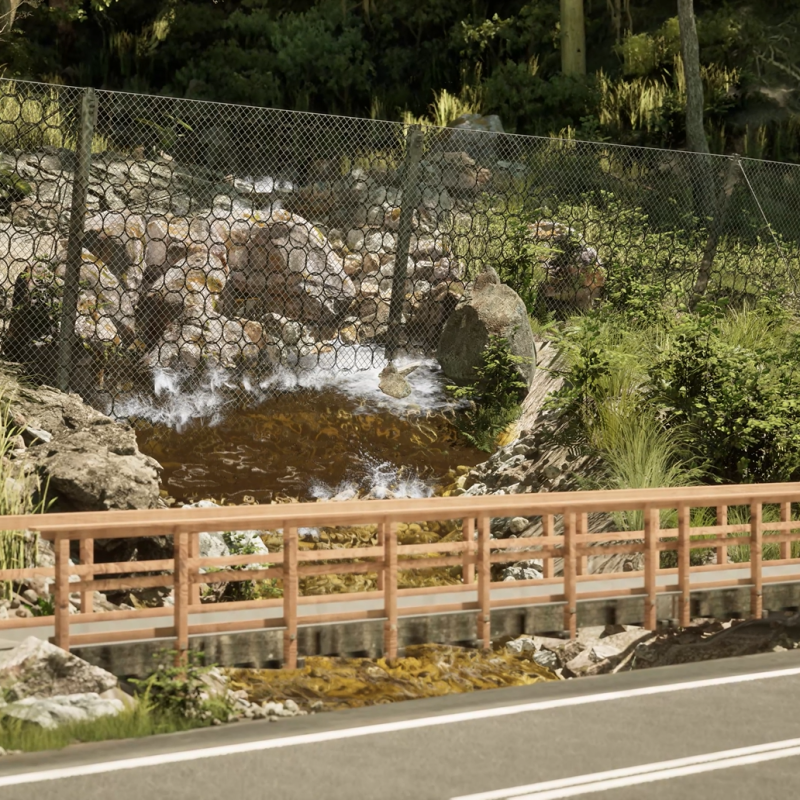
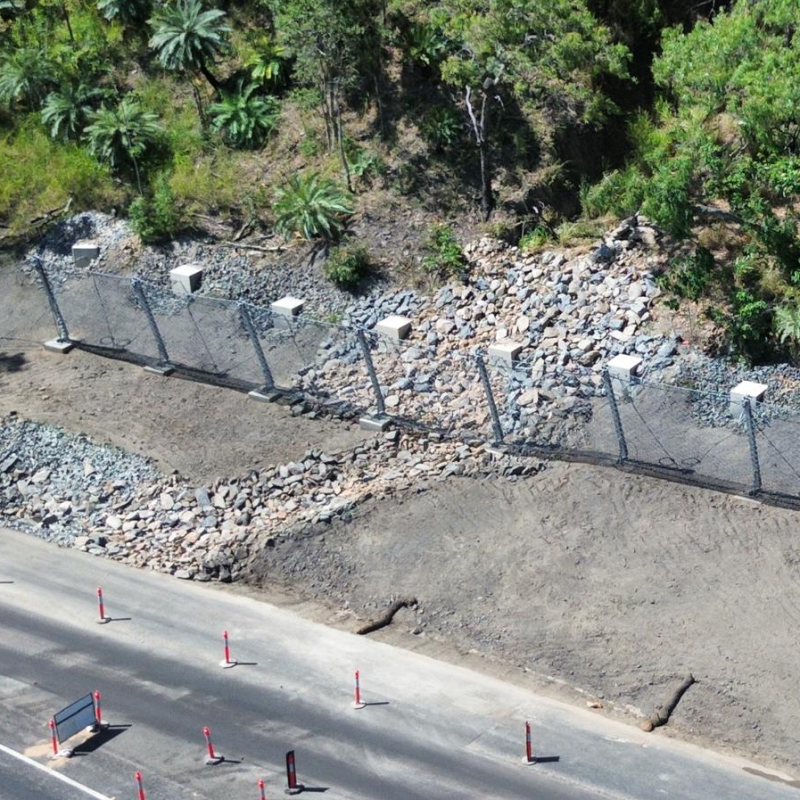
A key aspect of the works included the installation of debris-flow barriers, which catch boulders and vegetation and allow water to flow through to culverts and drains.
These barriers, a first for state-roads in Far North Queensland, reach heights of up to six metres and can span up to 40 metres in some locations.
They are engineered to stand up to immense forces of up to 1,800 kilos per square metre, the same force exerted by about four family sedans stacked one on top of the other.
This innovative solution acts as a safeguard for the highway, intercepting debris before it reaches the road, while allowing heavy volumes of water to pass through.
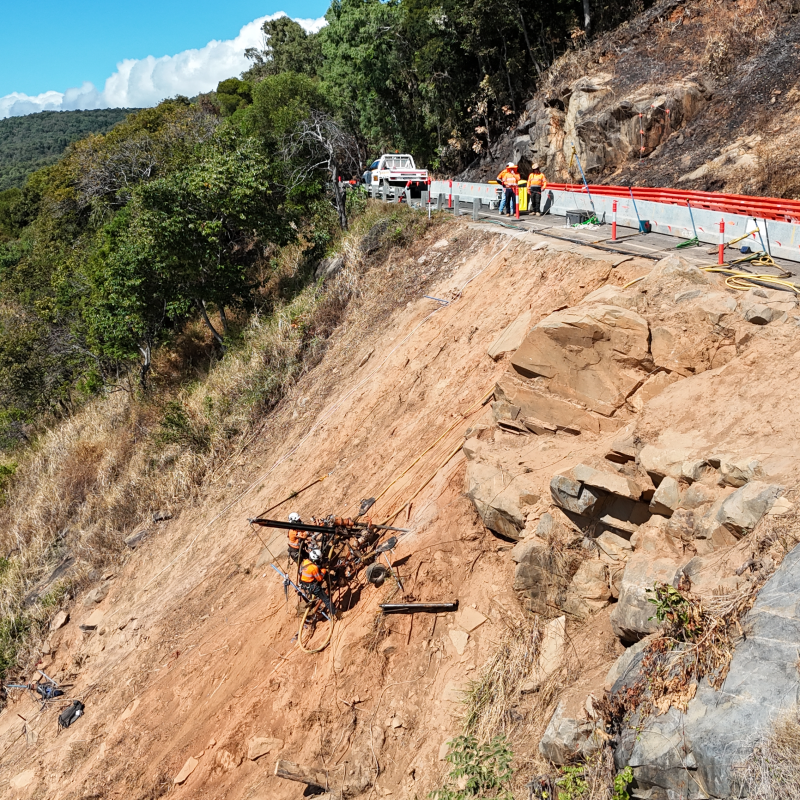
Additional geotechnical treatments included soil anchoring and reconstructed embankments, helping to stabilise areas most prone to slope failure.
The Captain Cook Highway restoration project was jointly funded by the Australian and Queensland Governments through the Disaster Recovery Funding Arrangements (DRFA).
TMR’s innovative works to protect the highway and its critical drainage infrastructure from major events like Tropical Cyclone Jasper highlights the importance of rebuilding with resilience when delivering disaster recovery efforts.