
Refuge mounds provide life-saving flood relief for livestock
North-west Queensland is flat. Vast and flat, covering many millions of hectares
It's a highly productive region that provides the ideal landscape for cattle to roam and graze, supporting a large number of beef businesses and communities.
But come the annual monsoon season, these idyllic pastures can quickly turn into an inland ocean, creating a severe threat to life on the land.
In 2019, 2023 and 2024 this very situation resulted in catastrophic losses of hundreds of thousands of cattle, sheep, horses and goats that tragically died in floodwaters being unable to find refuge.
Faced with these challenges, primary producers are turning to new solutions to help them adapt the landscape and prevent future flood losses.
Queensland’s Department of Primary Industries (DPI) are supporting these efforts by advising producers to adopt a risk management approach when stocking paddocks on floodplains or adjacent to major watercourses.
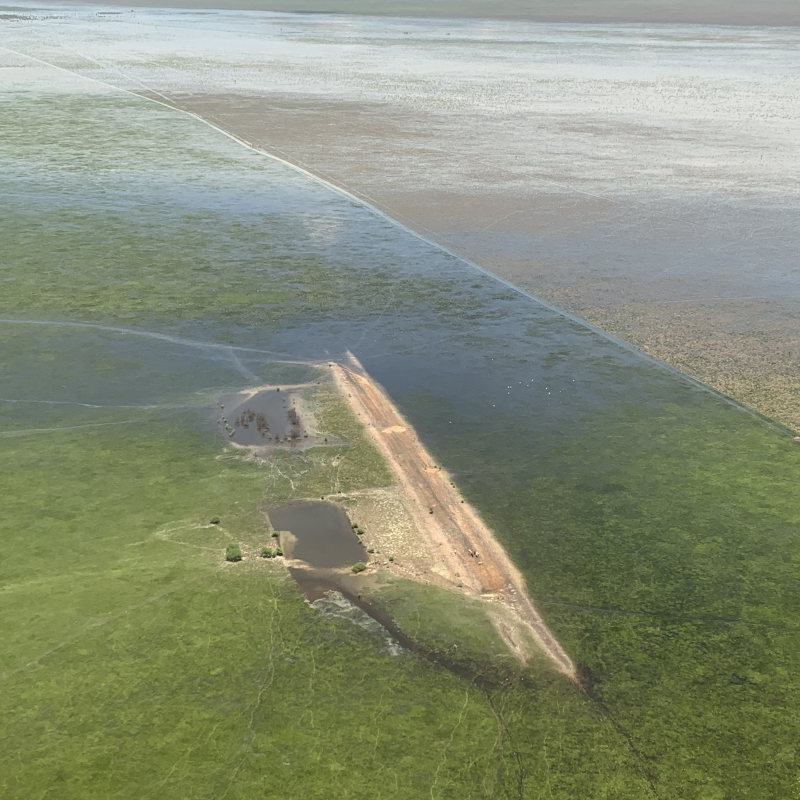
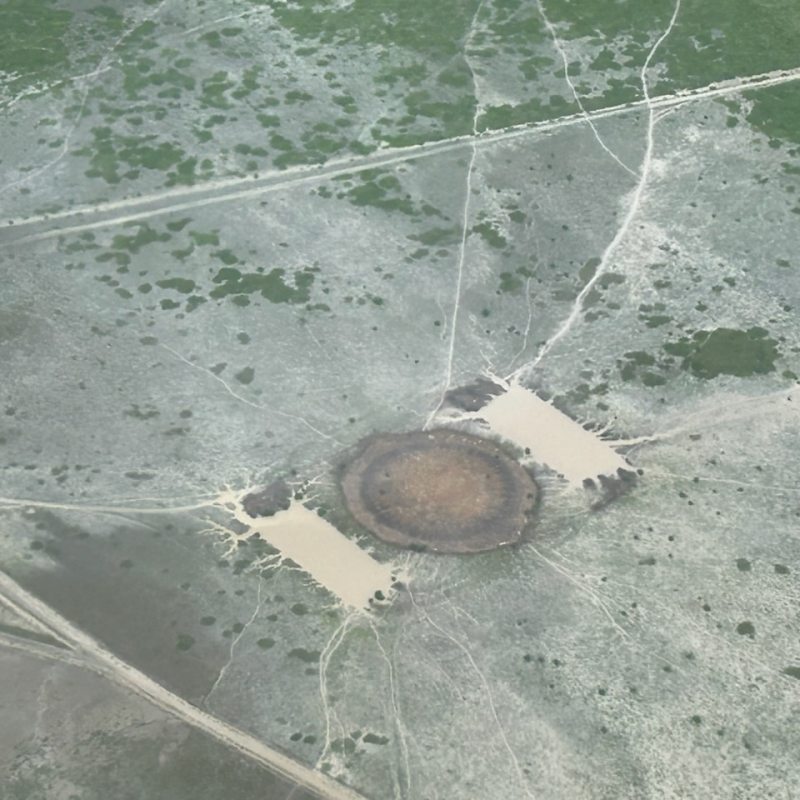
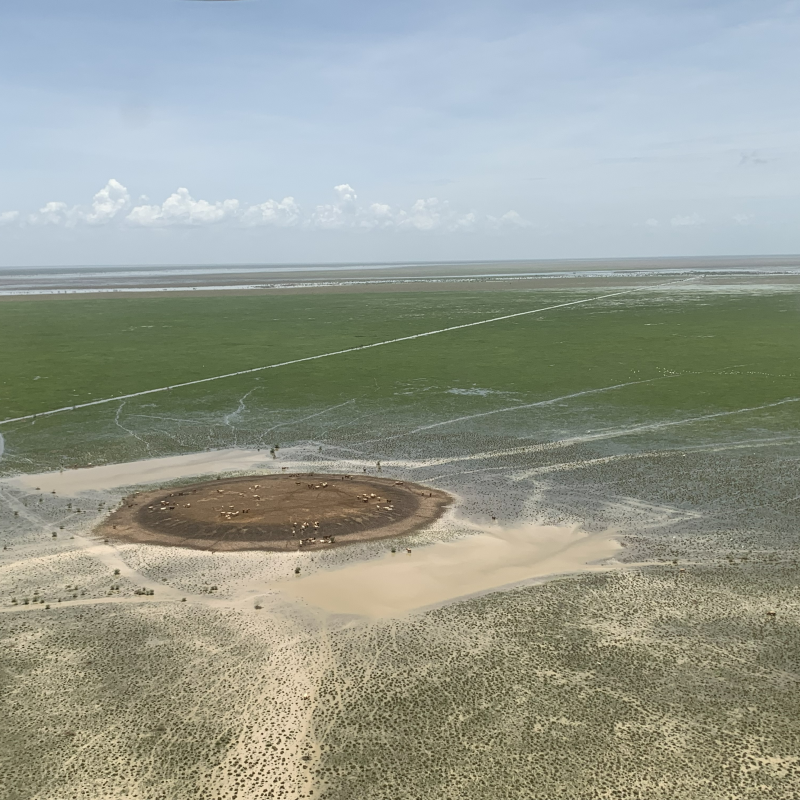
One technique gaining support is the creation of flood refuge mounds – large, engineered earth mounds constructed on flood-prone paddocks.
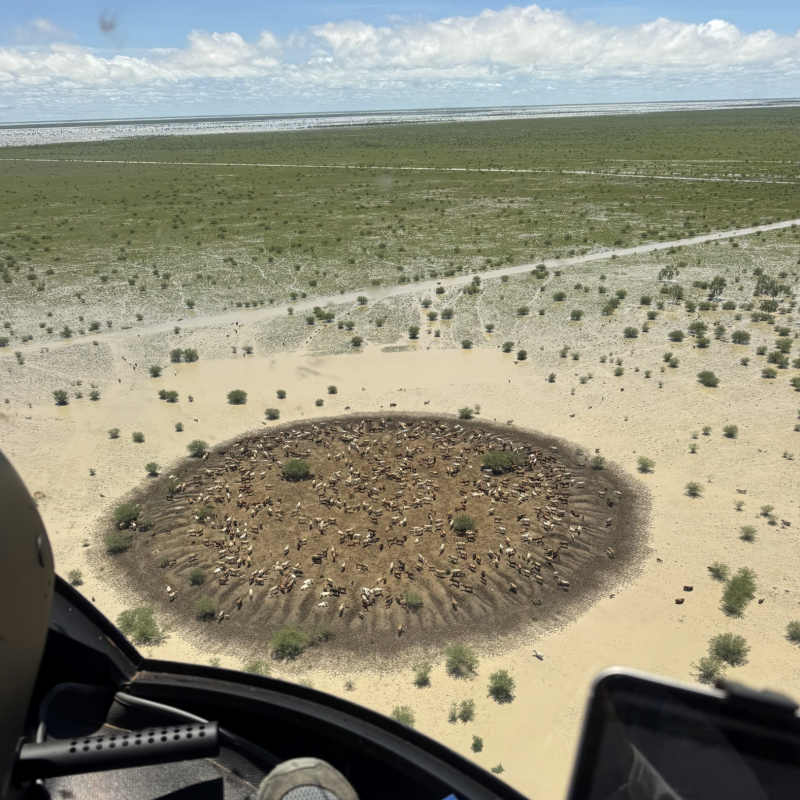
Built at a height above anticipated flood levels, the mounds allow livestock to access higher ground out of harm’s way during severe events.
As floodwaters rise, livestock instinctively seek elevated areas of land, but of course some need a little direction along the way.
Flood refuge mounds can also be developed to feature pasture, shade, and feeding areas, making them more attractive to livestock in a flooding situation.
For graziers there are many considerations when constructing a flood refuge mound including location, size and shape, as well as the number of mounds needed to ensure animals have ample opportunity to avoid floodwaters.
Mounds can be square, circular, linear or horseshoe shaped, with each design offering advantages relating to livestock welfare and the mound’s maintenance.
Graziers also need to think about the number and class of livestock likely to be in a paddock during flood-prone periods, the physical condition of livestock, paddock size and the distance livestock need to travel to reach a flood refuge mound, and anticipated water depth and flow direction.
Effective management of feed and water and anticipated animal behaviours is essential as well.
With these considerations in mind, the design and construction of flood refuge mounds can be complex and cost-prohibitive for primary producers operating on a smaller scale.
Acknowledging this, the Queensland Reconstruction Authority (QRA) put forward a case for a $2 million on-farm resilience study in early 2024 through the Australian Government’s $91.8 million North Queensland Resilience Program.
Funding from the successful submission was used by DPI to identify the feasibility of flood refuge mounds and other on-farm resilience measures for northern and western Queensland.
Farmers in Carpentaria, Cloncurry, Croydon and McKinlay who have built flood refuge mounds on their properties have seen positive results, most recently during flooding in early-2026.
When it comes to managing the impacts of severe weather, taking the lead on resilience and adapting to risks will reap rewards for those willing to try.
For Queensland primary producers considering flood refuge mounds to protect their livestock from floodwaters, DPI has guidance on design, construction and management available online.
(Image: Scott Elliott, Blue Hills Helicopters).