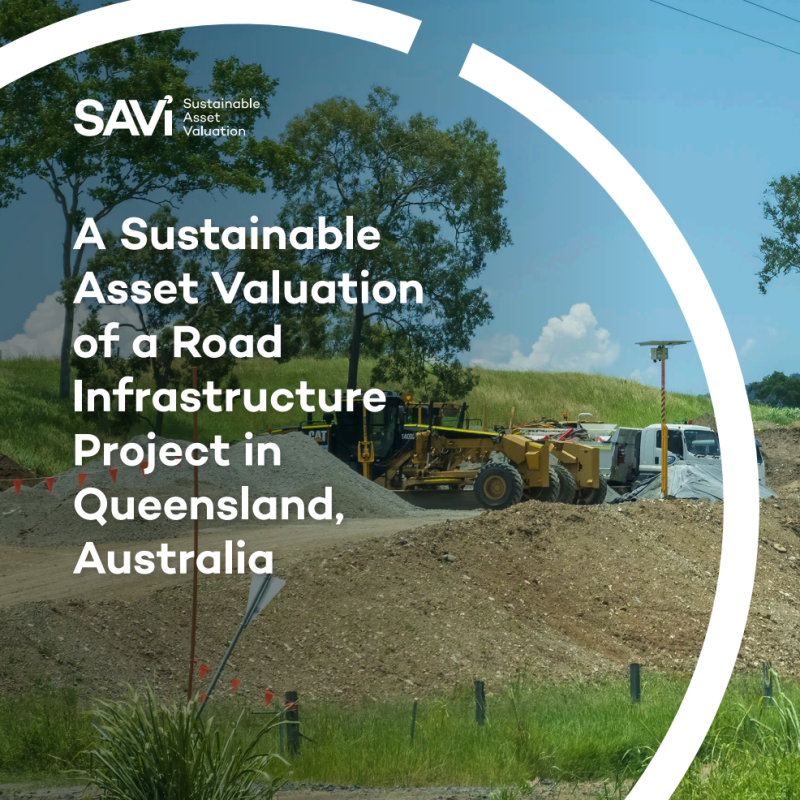
Getting SAVi about the intangible benefits of infrastructure investment
How do you measure the total benefits of resilience when it comes to disaster recovery?
We can roughly estimate how much is saved when a previously repaired asset is built back better and stands up to the next disaster event, but what about the intangible flow on effects that keep impacted communities connected and functioning?
For example, a review of reconstruction costs associated with Betterment projects from 2013-23 revealed that, from an investment of $244 million in projects that were re-impacted by subsequent disasters, approximately $988 million was saved in avoided reconstruction costs.
However, the full benefits to communities by recognising the intangible outcomes of these projects, had not been captured or valued.
What is the best way to capture the social, economic, and environmental benefits that flow from investing in resilience?
Prior to 2024, no suitable tool existed to complete this important calculation.
Addressing that gap inspired a partnership between the Queensland Reconstruction Authority (QRA) and the International Institute for Sustainable Development (IISD).
A pilot project customised IISD’s Sustainable Asset Valuation initiative (SAVi) Tool and retrospectively tested it against a range of Betterment projects throughout Queensland.
Queensland’s Betterment Fund has proven upfront investment in stronger, more disaster resilient infrastructure creates more resilient communities and saves money for all levels of government in future disasters.
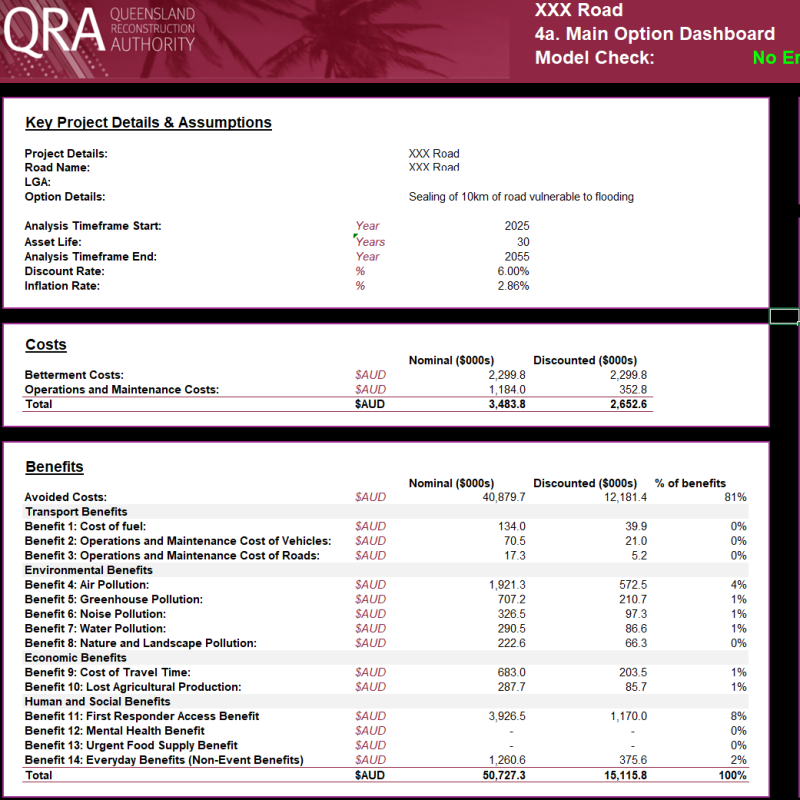
The SAVi tool evaluates intangible benefits by using 15 indicators to explore the full benefits of the investment, going far beyond simply calculating avoided reconstruction costs.
This approach provides an evidence base to understand how infrastructure investments impact communities, including those disproportionately affected by disasters.
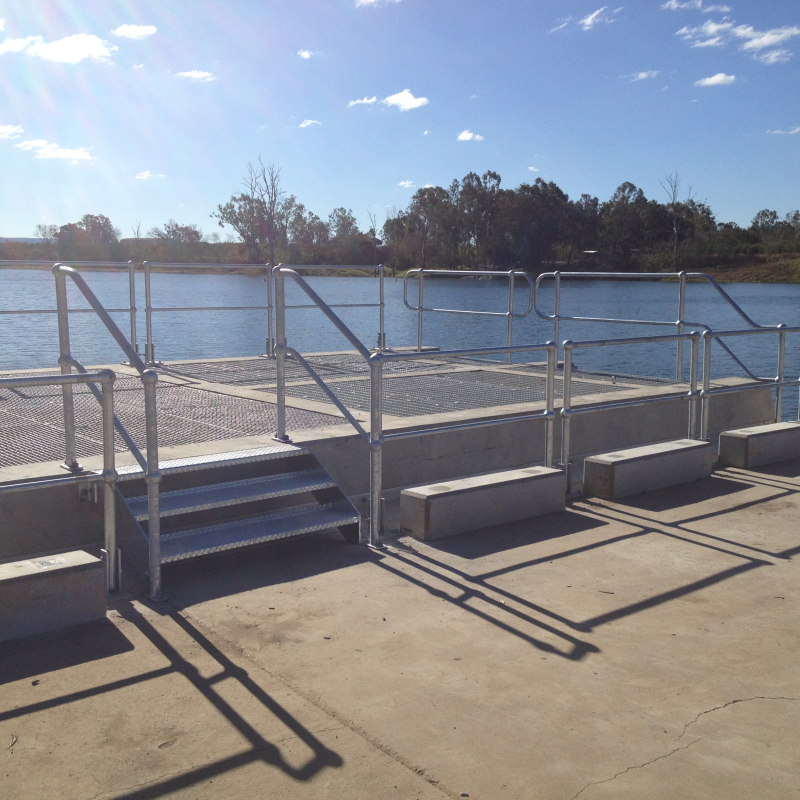
For example, when SAVi was retrospectively applied to the 2013 Betterment project for North Burnett’s Gayndah Water Supply Intake Station, the cost-benefit analysis demonstrated that avoided costs far exceeded reconstruction and restoration costs with the station remaining functional throughout all subsequent natural disaster events.
QRA has trialled SAVi when analysing potential future betterment projects and has conducted user testing with stakeholders to identify further applications and improvements.
Results confirmed the tool has the potential to better quantify all benefits of resilience to help prioritise future investments in infrastructure projects.
Measuring these benefits also supports diversity and inclusion by ensuring infrastructure investments address the unique needs of communities to foster equitable recovery and resilience outcomes.
QRA is collaborating with Partners for Infrastructure (P4I), an Australian Government initiative, to extend the functionality and applicability of the tool and make it more user-friendly.
Enhancements include incorporating more data and information to quantify additional benefits, including for transport, the environment, the economy, and human and social issues.
This approach reinforces QRA’s commitment to diversity and inclusion, ensuring that no community is left behind in recovery and resilience efforts.