Flood refuge mounds provide life-saving relief for north-west livestock
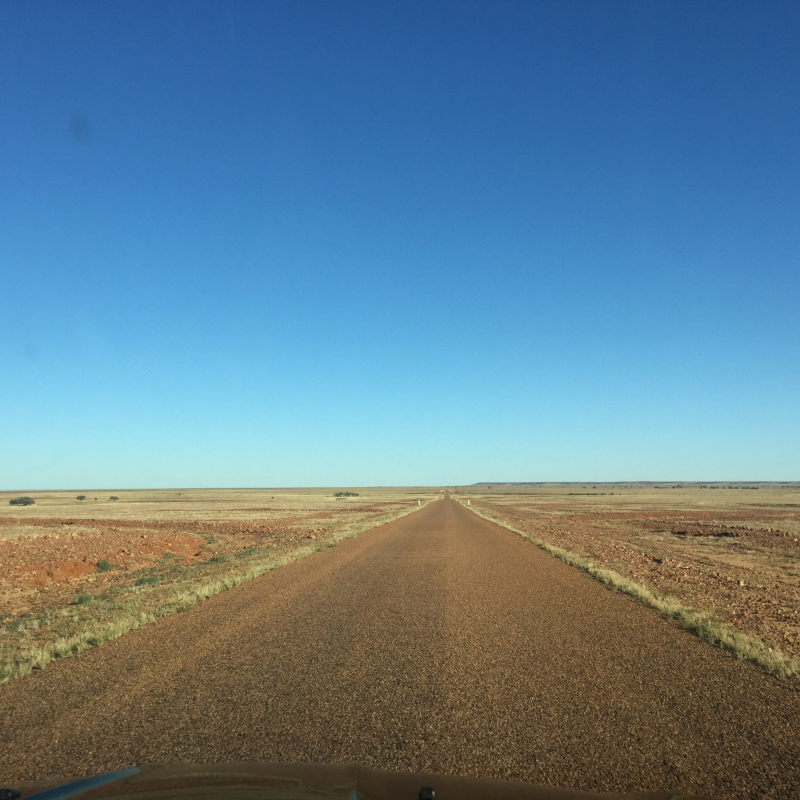
Northwestern Queensland is flat. Wide and flat.
Its many hundreds of thousands of nice flat hectares in which to roam and graze make it the perfect spot to raise the majority of Queensland’s combined herd of beef cattle.
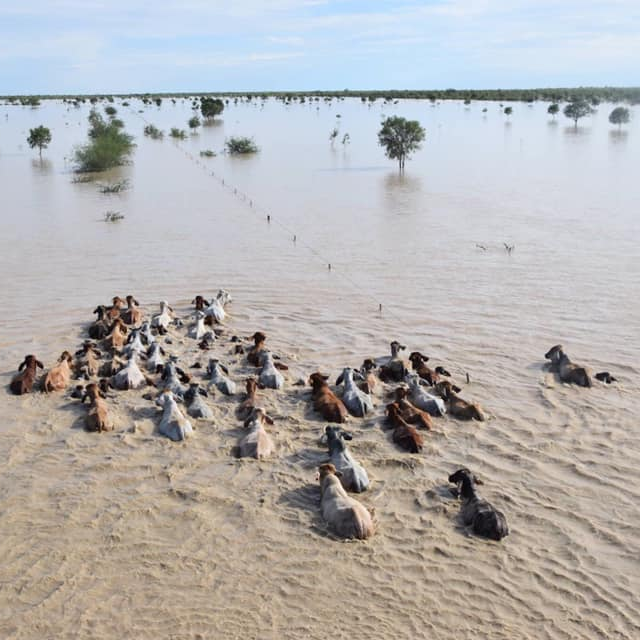
But come the annual monsoon, this idyllic pasture can turn into an inland ocean quicker than you can say ‘how far to higher ground?’.
During 2019 and 2024, this very situation saw catastrophic losses of life as hundreds of thousands of cattle, sheep, horses and goats, unable to find refuge, died in floodwaters.
Faced with these challenges, primary producers have to come up with innovative solutions to help them adapt the landscape to prevent losses in future floods.
Queensland’s Department of Primary Industries (DPI) advises the best way for graziers to protect livestock is to adopt a risk management approach when stocking paddocks on floodplains or adjacent to major watercourses.
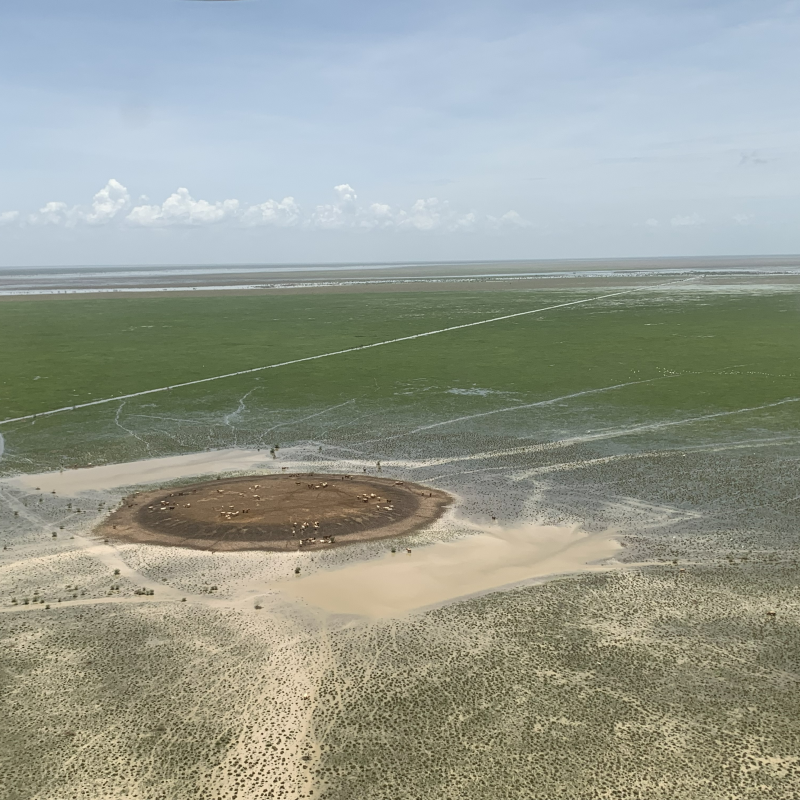
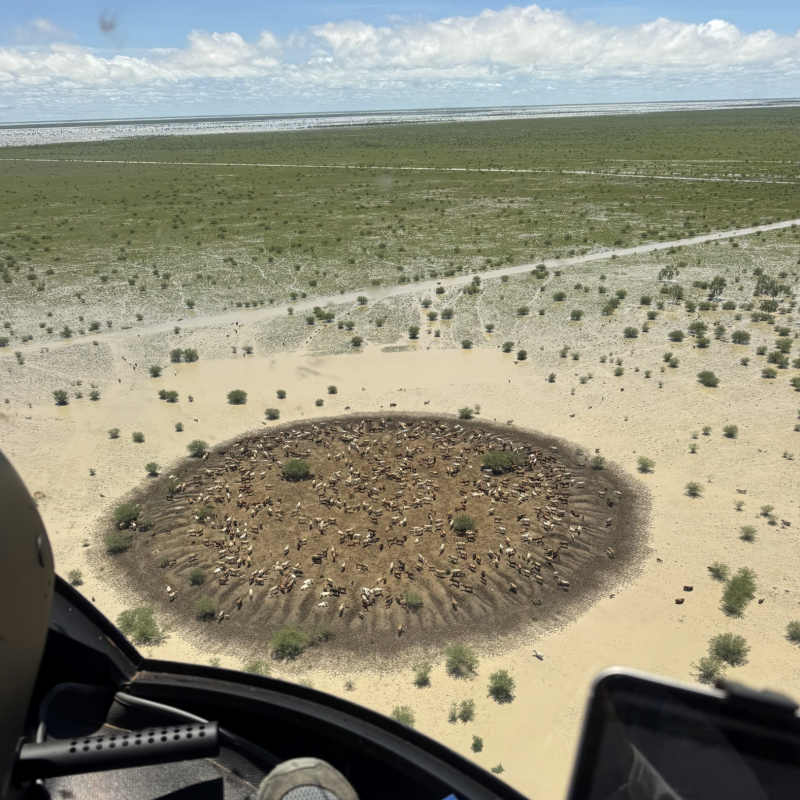
And one of the best ways to employ this approach is to create flood refuge mounds (FRMs) that allow livestock to access higher ground out of harm’s way.
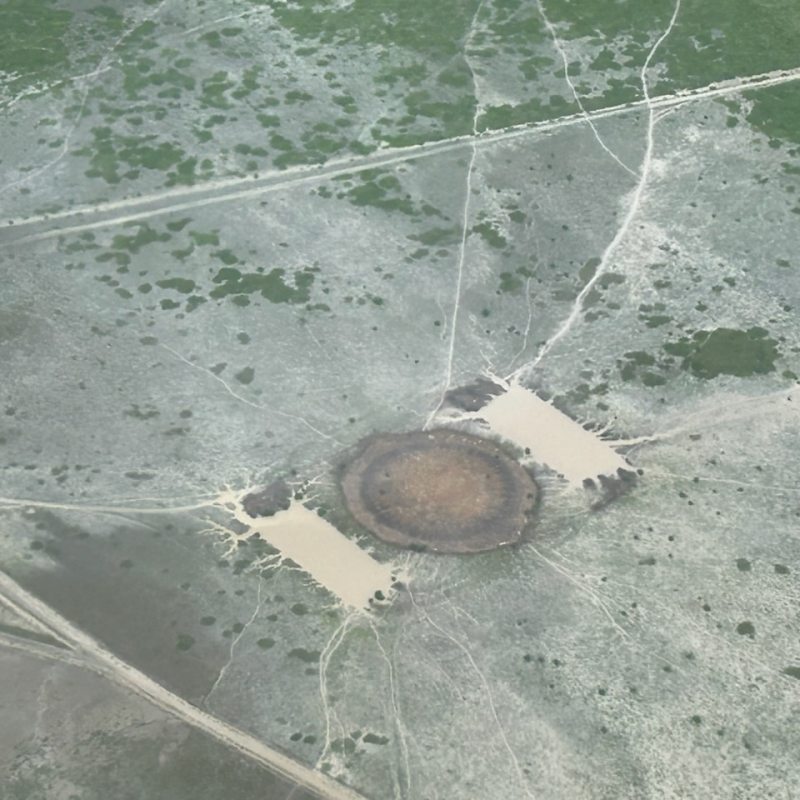
FRMs are essentially large, engineered earth mounds constructed within flood-prone paddocks.
They are built above anticipated flood heights to ensure refuge even in severe events.
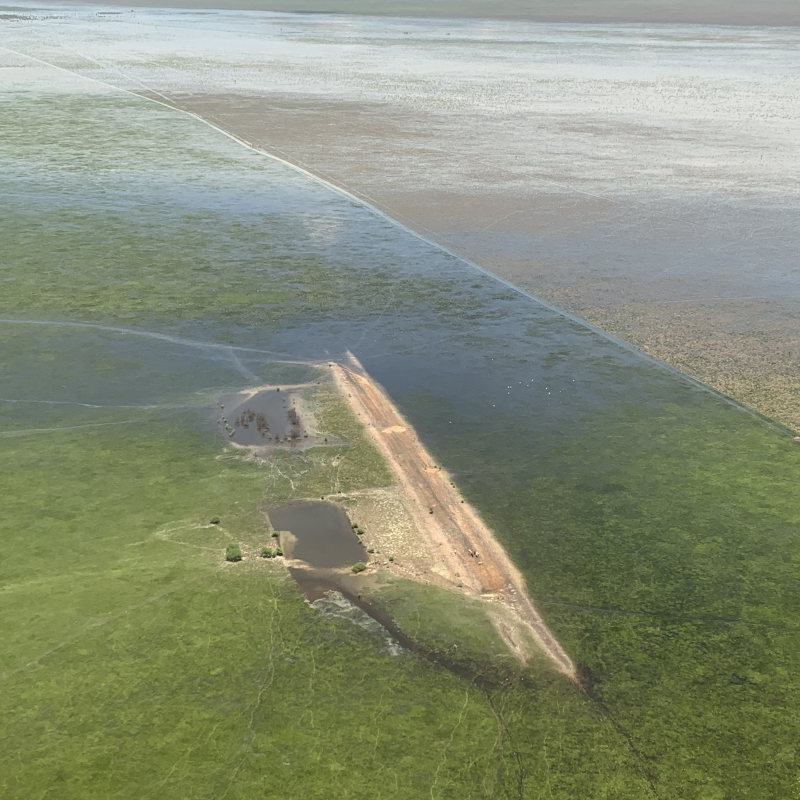
Livestock are either moved onto the mounds ahead of rising water or instinctively move there as waters encroach.
FRMs can include pasture, shade, and feeding areas to make them more attractive to livestock that may spend several days there during a flood.
Designing and constructing FRMs is complex and expensive and often beyond the budgets of hard-working, cash-strapped primary producers.
Recognising the impacts on producers, the Queensland Reconstruction Authority (QRA), who administer state and federal disaster funding in Queensland, acted.
In early 2024, QRA established a $2 million on-farm resilience study under the Australian Government’s $91.8 million North Queensland Resilience Program to support disaster recovery and resilience activities for northern, Far North and north-west Queensland communities.
Delivered by DPI, the funding was used to identify the feasibility of FRMs and other on-farm resilience measures across northern and western Queensland.
Several farmers in Carpentaria and Croydon who had recently built FRMs believed they were beneficial during the flooding in early-2026 in the state’s northwest.
DPI is working with primary producers throughout the region to better understand the effectiveness of the on-farm resilience study program.
Throughout history, adapting to risks has repeatedly shown an increase in the resilience of anyone who is willing to try.
Queensland primary producers are showing this ‘who dares wins’ spirit as they face a future of increased risk of floods, mitigated by the innovative advantage of flood refuge mounds for livestock.